A warm-up that doubled as a middle-overs laboratory. England posted 171/6 at Sophia Gardens on 10 June 2026 and then defended it through a spin-first middle phase that ran India out by five runs, even as Shree Charani's late boundary hinted at how thin the margin really was.
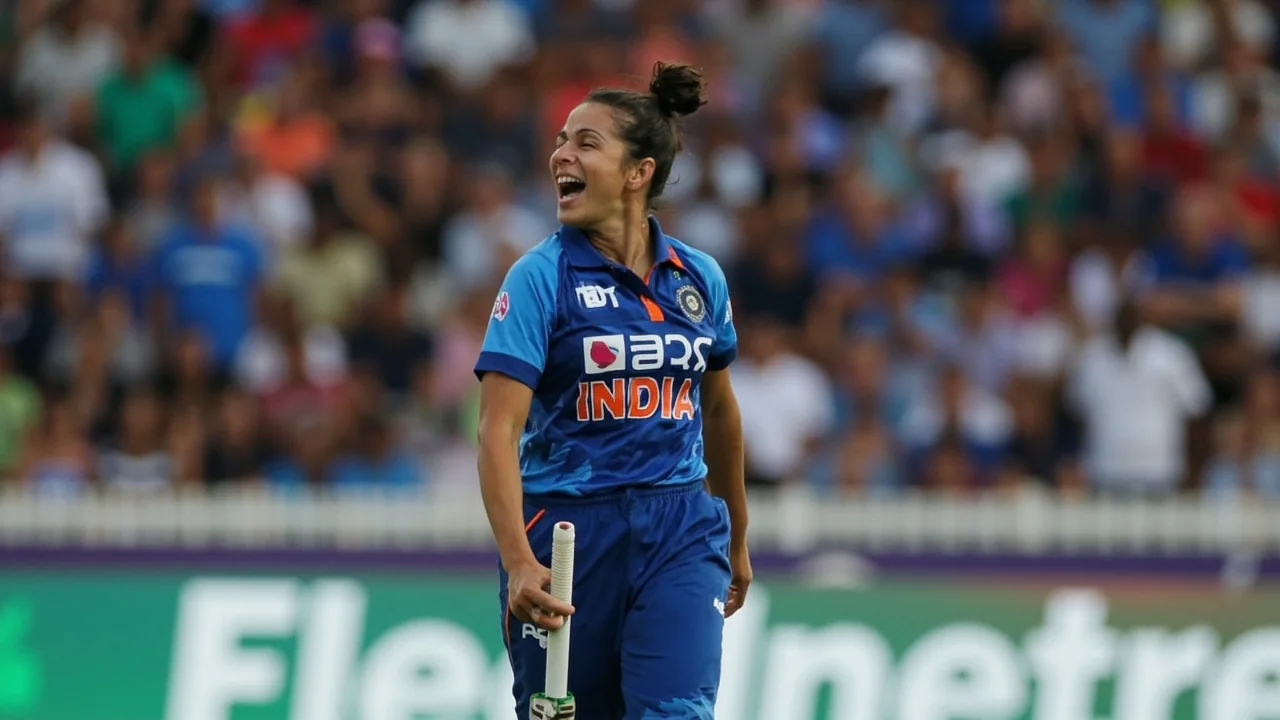
The numbers from the 11th warm-up of the ICC Women's T20 World Cup warm-up series read like a tight finish before you add any context: England Women 171/6 in 19.6 overs, India Women 166 all out in 19.5 overs, a five-run margin, a 39-run powerplay, and a last-wicket stand that ended with Shree Charani hitting a boundary before being dismissed for 6 off 3 balls. Read in isolation, those are routine figures. Read inside the Sophia Gardens pitch report that called the surface "little dry and pretty much rock solid" with the spinners expected to be key in the middle overs, and they describe a match that was decided by which side read the slow middle phase better.
For Bettilt11 fantasy users following women's international cricket, the fixture matters more as a form read than as a standalone result. Warm-up matches do not carry ranking points, but they do carry the most valuable pre-tournament signal: how each side plans to use its bowling group, who is being trusted in the powerplay, and what the captain's preference is between setting and chasing. Both captains gave that signal at the toss.
India won the toss and elected to bowl first. Harmanpreet Kaur's reasoning was short and pragmatic. "We will bowl first … this is a nice opportunity where we can test ourselves … chasing is quite difficult," she said at the toss interview, a read that fits the way the Indian side has approached white-ball cricket in 2026, with the chase framed as the harder skill and the powerplay framed as the test.
Nat Sciver-Brunt, captaining England, said her side had also preferred to bowl first and noted they had "a few changes" from their previous match. The double-bowl-first preference is a small but useful signal. Both captains read Sophia Gardens as a slow surface, both read June in Cardiff as a chasing-is-hard surface, and both put their bowlers ahead of their batters in the order of priorities. That kind of agreement between two captains who rarely agree on anything is the kind of pre-tournament read that fantasy users can carry into the main draw without much hedging.
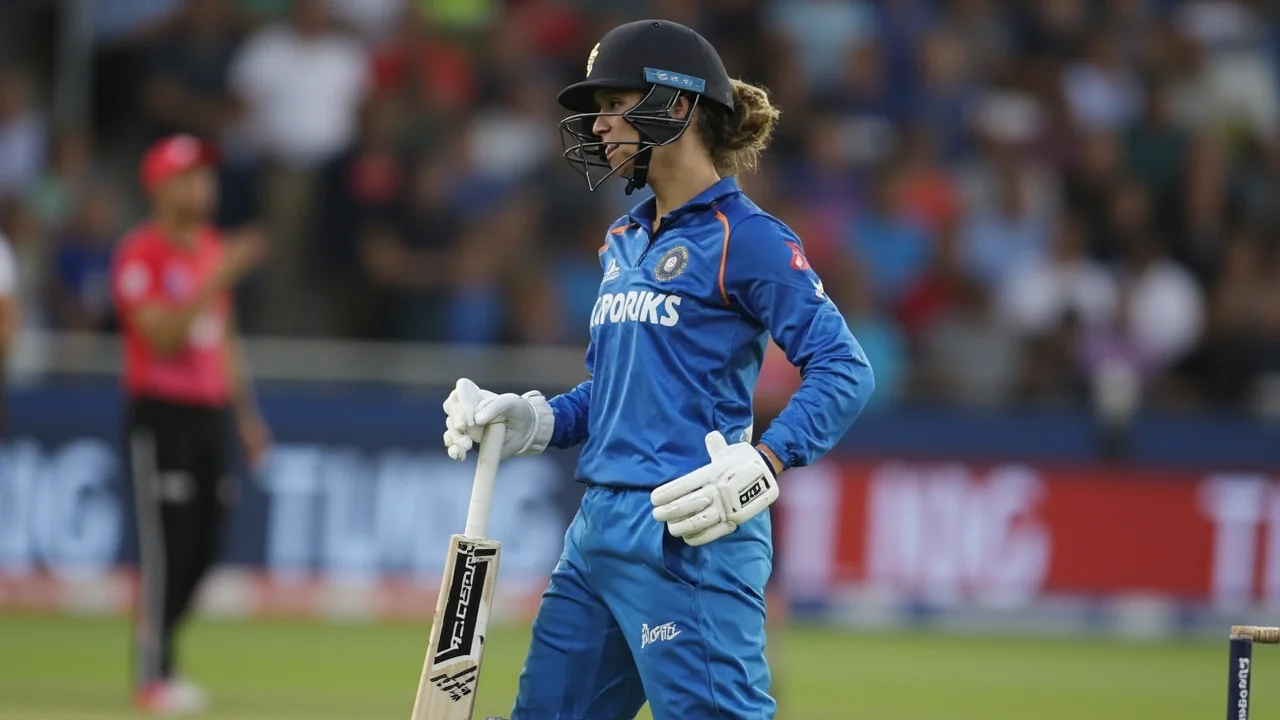
A 171 total on a slow Sophia Gardens pitch is competitive but not commanding. England lost six wickets across the 19.6 overs, which tells you two things at once. The batters found enough boundary options to keep the scoreboard moving through the middle overs, and the bowlers kept taking wickets at a rate that prevented any single partnership from running away with the innings. Both happened because of how England chose to bat on a surface that was not going to give them easy pace off the square.
The 39-run powerplay sits in the same bracket. It is neither a flying start nor a slow one. It is the score you get when a side accepts the surface, takes the ones, and waits for the occasional boundary option rather than swinging for the ropes at the top of the order. That kind of start does not win the press conference, but it does keep wickets in hand for a death-overs acceleration, which is exactly what England did well enough to push the total to 171.
For fantasy users, the read is straightforward. England's batting group can be trusted to produce a par score on slow surfaces without taking excessive risk in the powerplay. They will not give you a 200-run ceiling, but they will give you a 170-180 floor that keeps match-ups honest for bowlers and allrounders on the fantasy app. Pair that with the captain's stated preference for chasing, and you have a tournament-shape read rather than a single-match read.
India's chase asked for a steady hand through the middle overs. The powerplay produced 39 runs against the England attack, which kept the required rate in the range that a chasing side can manage on a slow surface. The collapse came in the middle phase, where Linsey Smith's three-wicket spell — 3/42 in 3.5 overs — turned the chase from manageable to difficult in a single passage of play. Issy Wong supported with 1/42 in her four overs, and the rest of the attack rotated around the spin pair.
Shree Charani's late cameo of 6 off 3 balls, including one four before her dismissal, is the detail that tells you how thin the margin really was. India were not bowled out cheaply. They were bowled out by a five-run margin in a chase where the last recognised batter could still find a boundary. The difference between winning and losing was the middle overs, where the English spinners held length and the Indian batters could not rotate strike freely.
| Phase | Overs | Approach | Read |
|---|---|---|---|
| Powerplay | 0.1-6.0 | Pacers, attacking lines, seam-up | 39 runs, wickets shared |
| Middle | 7.0-15.0 | Spin-led, stump-to-stump, fields set | Smith 3/42 in 3.5 |
| Death | 16.0-19.6 | Variety, Wong's pace, slower bouncers | Wong 1/42 in 4 |
That is the shape of an innings where the captain trusted spin to do the heavy lifting through the middle phase and was rewarded for it. Smith was the standout, but Wong's supporting role was just as important: a left-arm spinner taking wickets at one end, a right-arm seamer holding the pace and dot-ball pressure at the other, and the field set up to prevent the boundary that India needed to break the required rate.
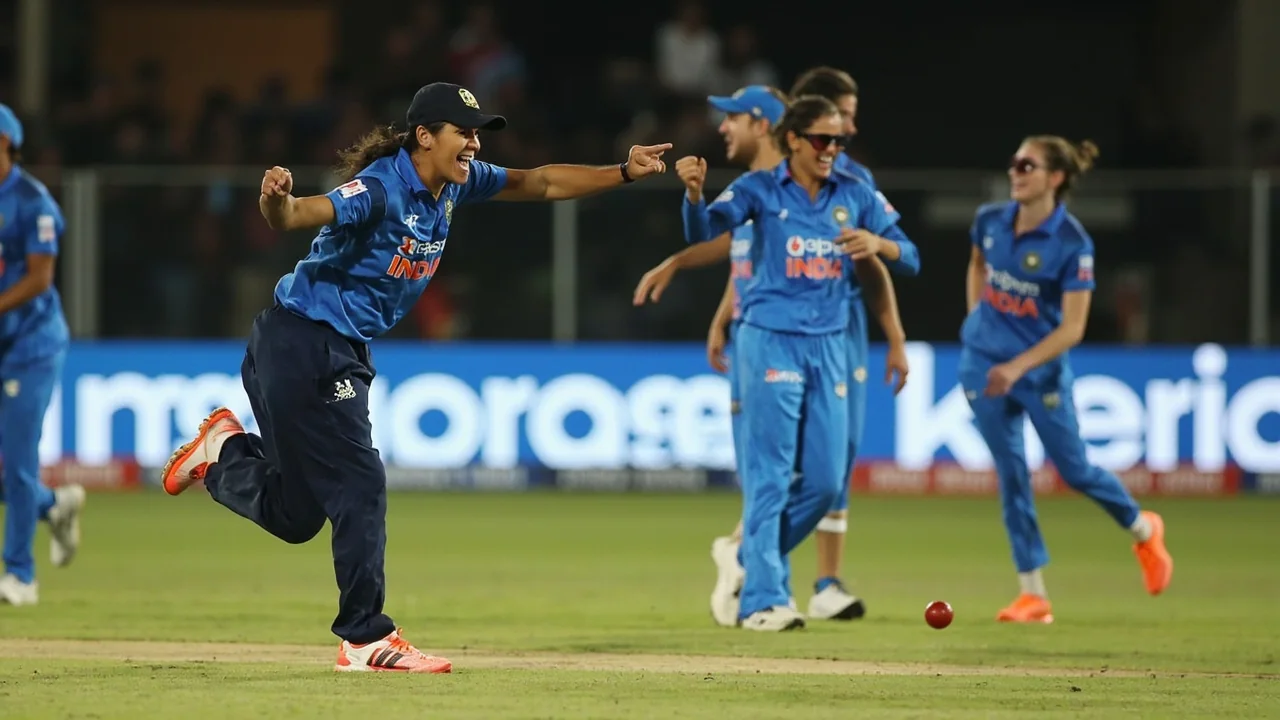
The pre-match pitch note described Sophia Gardens as "little dry and pretty much rock solid", and that description carried through both innings. A dry surface in Cardiff in mid-June plays slower than it looks. The ball does not come onto the bat as cleanly as it does on a green seamer, the spinners get a little extra grip, and the fielding side can build pressure through dot balls without having to take risks.
That is the kind of surface that suits a captain who plans her bowling group around the middle overs rather than the powerplay, and a batting group that values rotation over raw power. Both captains read the surface correctly. The five-run margin tells you that the side that executed its plan more consistently, through 12 middle overs of spin-first cricket, won the day. It also tells you that the next time these two sides meet on a similar surface, the margin could go the other way on a single passage of play.
Both captains read the same pitch and chose to bowl. England read the middle overs better, and Smith held the chase together long enough for the pace pair to finish the job.Editorial read of the 10 June 2026 warm-up
Three reads from this fixture will matter more than the result when the main tournament begins.
Linsey Smith's 3/42 is the kind of spell that turns a captain's read into a captain's confidence. Fantasy users who locked in England's spin options before the warm-up cycle has a head start on the field. Watch for similar workloads in the main draw, because the Sophia Gardens surface is not the only slow one in the tournament schedule.
India's 166 chasing 172 on a slow pitch is a par score for a side that did not lose wickets in clusters but could not rotate strike in the middle phase. Fantasy captain picks should weight chase-side batters more carefully on slow surfaces, because dot-ball pressure compounds faster than boundary hitting does.
Both captains wanted to bowl first on a slow June surface. If that pattern holds in the group stage, fantasy users should treat first-innings totals of 160-175 as par and adjust captain picks accordingly. A 200+ total on this surface would be a genuine outlier and worth over-weighting.
Those reads are how a single warm-up fixture becomes a tournament-shape input. They are also why the Bettilt11 desk treats warm-up matches as useful rather than disposable. A five-run result in Cardiff does not move any rankings, but it tells you which captain trusts which bowler, which batter can hold an innings together on a slow surface, and which bowler can be trusted to bowl the 12th, 14th and 16th over of an innings when the chase is on. Fantasy users who carry those reads into the main draw, rather than waiting for the group stage to begin, will have a four-to-six-week head start on the field.
Warm-up results rarely define a tournament, but they do define the early captaincy conversations. India and England will meet different opposition in the group stage, on different surfaces, with different match-ups to plan for. The Sophia Gardens result is one data point in a much longer conversation. What it confirms is that both sides will plan around their bowling groups through the middle overs, that both captains read slow surfaces the same way, and that the side which executes its plan more consistently will win the close finishes.
For wider match coverage, fantasy role reads and squad signals as the warm-up window closes and the main tournament begins, the Bettilt11 desk tracks each fixture, score update and post-match note as the schedule develops.
The remaining warm-up fixtures will give a clearer read on both sides' match-ups. Two signals are worth carrying into the next few days. First, watch the bowling rotation. If Linsey Smith is given a similar middle-overs workload in England's next warm-up, the side has decided she is the go-to spinner on slow surfaces, and fantasy users can price her in accordingly. If she is rested, the captaincy read shifts toward Wong and the pace pair. Second, watch India's response. If Harmanpreet Kaur changes the chase-first read in the next fixture and chooses to bat first, the side has decided that the Sophia Gardens margin was a one-off rather than a pattern. If she chooses to bowl again, the read from Cardiff holds.
One other thing is worth keeping in mind. The five-run margin in Cardiff was narrow enough to be reversed by a single boundary, and Shree Charani's late four is the reminder that both sides are close to peak form for the main draw. The warm-up window is not where the tournament is won or lost. It is where the planning questions get answered before the points matter. The Bettilt11 desk will keep tracking both sides through the rest of the warm-up cycle and into the group stage, with form reads, fantasy role notes and squad signals updated as the schedule develops.
For the full fixture list, score updates and fantasy reads as the warm-up window closes and the ICC Women's T20 World Cup proper begins, the Bettilt11 desk keeps tracking both sides through the rest of the warm-up cycle and into the group stage. The live matches page is where the score updates and post-match notes land as the schedule develops.
Common Bettilt11 user questions about the 11th warm-up fixture of the ICC Women's T20 World Cup 2026.
Score updates, post-match notes and fantasy role reads across the women's international calendar.
