India sealed a 3-0 T20I sweep of Zimbabwe in Harare on 26 July 2026 with a 15-year-old at the top of the order. Vaibhav Sooryavanshi's 81 off 49 balls delivered the Player of the Match award, made him the second-youngest men's international POTM winner on record, and reset the youngest-Indian benchmark by more than two years.
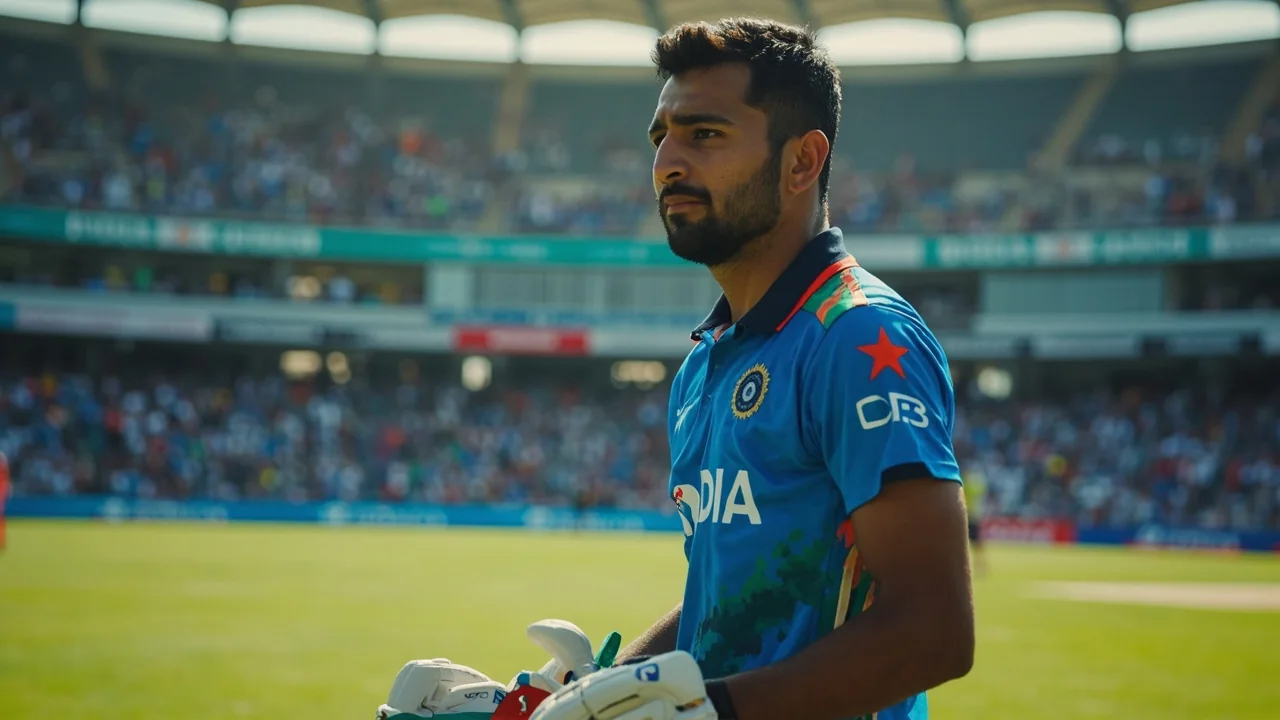
The 26 July 2026 fixture at Harare Sports Club was meant to be the closing formality of a tour India had already controlled. Instead it produced the headline the tour will be remembered for. Vaibhav Sooryavanshi, opening the chase after India chose to field first, finished on 81 from 49 deliveries, struck the winning runs, and walked off with the Player of the Match trophy. By the time the presentation was over he had moved into second place on the all-time youngest men's international POTM list, separated from the top by a single name from Sierra Leone.
The India-Zimbabwe series had been framed around rebuild and audition. The third T20I confirmed both themes, but added a third that nobody had planned for: a teenager dominating the innings in a chase. For Bettilt11 fantasy users the number that matters is the headline figure, but the layered story underneath it — the youth benchmark, the Indian-only benchmark, and the series context — is where team construction angles actually live.
The published record places one name ahead of him. Sierra Leone's Alusine Turray took the men's POTM award at 15 years and 74 days against Cameroon on 2 December 2022, finishing with 33 runs and 2 for 24. The gap between Turray and Sooryavanshi is 47 days, which is small in absolute terms but meaningful as a marker of how rarely the list moves.
Two more names complete the youngest top four. Tanzania's Khalidy Jumia sits at 15 years and 294 days after a 3 for 17 spell against Malawi on 26 September 2024. Japan's Charlie Hara-Hinze holds fourth at 16 years and 360 days, with 18 runs and 2 for 23 against Indonesia on 25 September 2025. What stands out about the table is not just Sooryavanshi's age but his status. He is the lone full-member-nation cricketer on the youngest-four list — Turray, Jumia and Hara-Hinze all delivered their POTM nights in ICC associate pathways where career playing time compresses quickly.
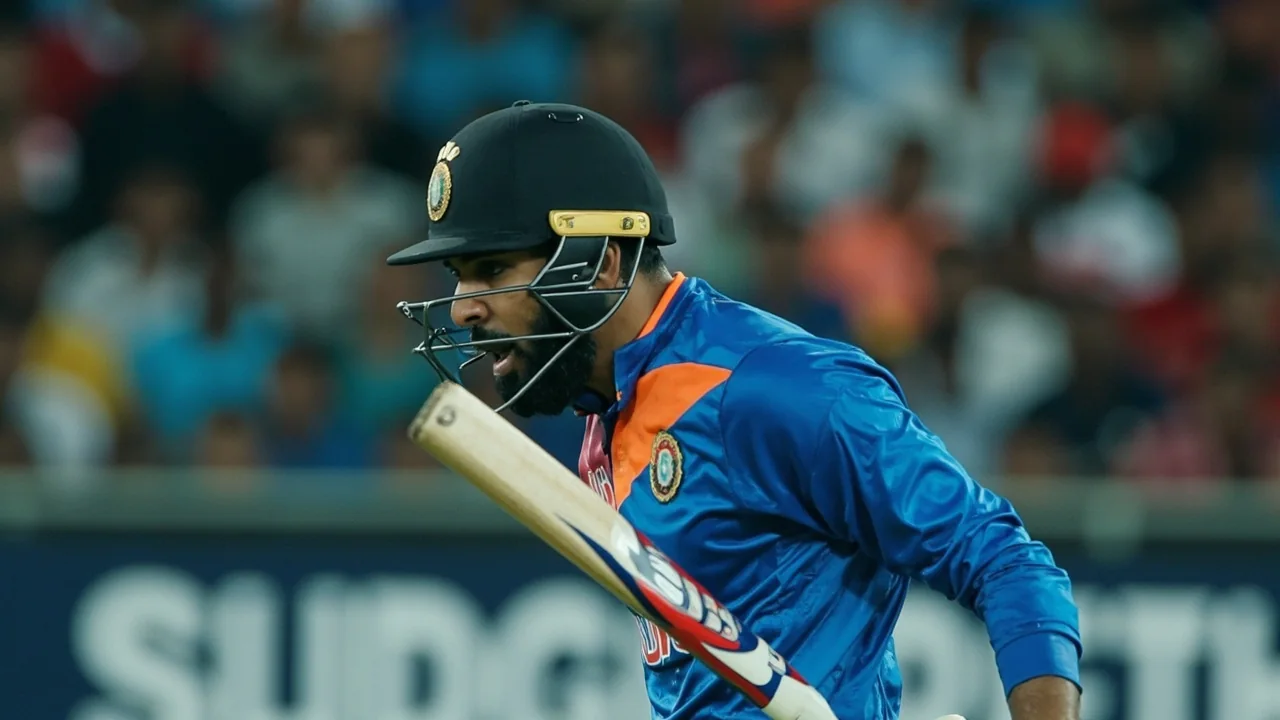
Inside the Indian list the shift is sharper. Sooryavanshi is now the youngest Indian to win the men's POTM award, and the gap to the previous Indian record is wider than his gap to Turray. Sachin Tendulkar held the Indian benchmark at 17 years and 112 days against England. Sooryavanshi beat that by more than two full years. There is no other Indian on the POTM list under the age of 18.
The next three Indians on the all-time list all sit in the 18-to-19 age band. Ravi Shastri took a men's POTM at 18 years and 295 days against New Zealand. Yuvraj Singh took his at 18 years and 300 days against Australia — the famous 2000 Champions Trophy semifinal cameo at Nairobi that announced him to a wider audience. Prithvi Shaw's turn came at 18 years and 331 days against West Indies. None of those performances were minor cameos, but all three required the player to already be a settled international name. Sooryavanshi has taken the award on his second tour.
| Rank | Player | Country | Age | Match | Date |
|---|---|---|---|---|---|
| 1 | Alusine Turray | Sierra Leone | 15y 74d | vs Cameroon (33, 2/24) | 2 Dec 2022 |
| 2 | Vaibhav Sooryavanshi | India | 15y 121d | vs Zimbabwe (81 off 49) | 26 Jul 2026 |
| 3 | Khalidy Jumia | Tanzania | 15y 294d | vs Malawi (3/17) | 26 Sep 2024 |
| 4 | Charlie Hara-Hinze | Japan | 16y 360d | vs Indonesia (18, 2/23) | 25 Sep 2025 |
The list is small enough that every new entry moves the framing. Turray stays at the top, but the chase behind him now has an Indian face. For a country that has produced Tendulkar, Shastri, Yuvraj and Shaw inside a 20-year window, the fact that the next teen POTM came from a name most senior India watchers had only seen at the Under-19 level is the kind of detail that quietly rewires selection conversations for the next T20 World Cup cycle.
The age story cannot be separated from the series result. India won the first two T20Is before closing the tour in Harare, and the 3-0 finish is the line that every follow-on fixture reading has to start from. The tour's stated purpose was rotation: India's T20 World Cup 2026 winning core was largely rested, leaving a side with four players from the winning squad and a clear audition brief for everyone else.
That audition brief is what makes Sooryavanshi's 81 the right kind of signal. He wasn't carrying a settled batting order behind him. The middle overs were managed by players still working out international tempo. Abhishek Sharma was at the other end for the early running; Shreyas Iyer was the senior batter, not the senior scorer. In that context, an opener taking the innings through to the winning hit, in a chase that asked for exactly that kind of composure, is the kind of audition answer selection panels actually need.
For Bettilt11 users who only watched the scorecard, the headline is age. For users who watched the chase, the headline is role: Sooryavanshi opened, faced the new ball against pace, took on the left-arm spin of Sikandar Raza, and closed without a partner inside the last four overs who had scored as freely as he had. That is a captaincy audition, not a cameo.
He wasn't carrying a settled batting order behind him, so an opener taking the innings through to the winning hit is the kind of audition answer selection panels actually need.Editorial read of the 26 July chase
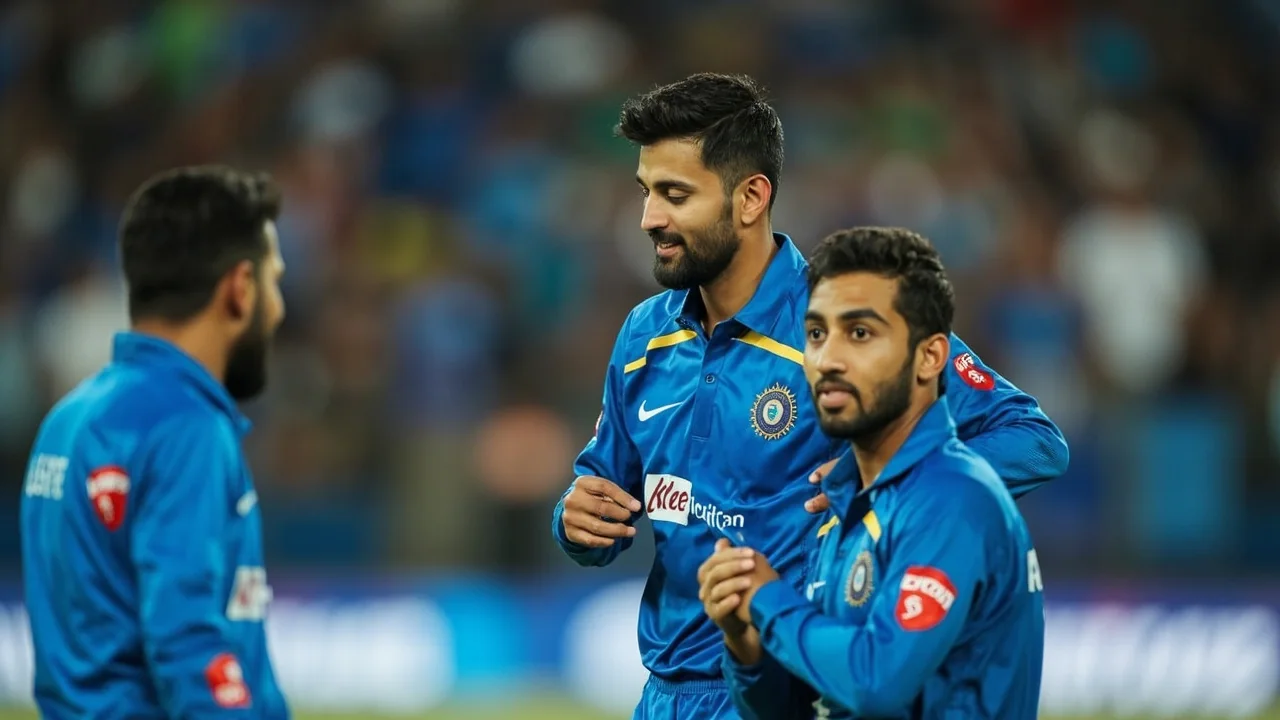
Three tactical points stand out from the 49-ball knock. They are useful because the India white-ball side is about to enter the part of the cycle where T20I series overlap with franchise cricket and the ODI World Cup build-up. Reading what Sooryavanshi did well is more useful than reading what his age number says.
He took pace on with the new ball rather than waiting for the spin phase. Against a Zimbabwe seam attack that swings the ball at Harare, his decision to back himself against the hard ball in the first six overs is the kind of role certainty fantasy captains prize in head-to-head contests.
Raza's left-arm spin was the matchup Zimbabwe tried at the back end of the chase. Sooryavanshi handled the pace variations by working the ball into gaps rather than looking to clear the infield, which kept the required rate within range.
The chase was not settled when he reached his fifty. He stayed in to finish, which means India have a candidate for the death-overs anchor role when seniors rotate out of bilateral series over the next 18 months.
Those three reads translate directly into team construction on Bettilt11. A teenager who can open against new-ball pace and finish against left-arm spin is a dual-phase asset. The fantasy calendar for the next India T20I block is the place where that dual-phase role pays the highest points-per-match salary.
India's white-ball side now has a clear challenger to the senior top order, not just for T20Is but for the ODI World Cup build-up if the same kind of composure carries across formats. The selection question is no longer "can Sooryavanshi play at this level" — the Harare 81 settles that. The question now is "how quickly does the team-management trust him with the role".
Watch for two signs in the next India T20I squad announcement. First, whether he keeps the opening slot when the seniors return. If Iyer, Sanju Samson or KL Rahul come back into the side and Sooryavanshi is bumped down to three or four, that is rotation talking and the fantasy ceiling shrinks. If he keeps the new ball and slides Iyer down to three, that is the audition taking. Second, whether the team-management names him in pre-series note as an opener or as a middle-order option. The wording is small but the role is large.
For Bettilt11 users, the practical move between now and the next T20I block is straightforward. Treat Sooryavanshi as a confirmed T20I opener for the rest of this cycle. Slot him in at the top of the order with captaincy upside when ownership is still soft. That is the assistant-captain differential the Harare 81 has just bought you, before the rest of the field prices him into the senior bracket.
One last caveat. The Harare 81 is one innings, however clean. Sooryavanshi had already become India's youngest international cricketer at debut age 15 years and 99 days, which means his career has been a steady drumbeat of youth records rather than a single breakout. That is the more useful template for fantasy users than the photo-finish number. Records arrive, the role has to be repeated, and the next tour is where the 81 turns from a headline into a habit.
For confirmed lineups, selection notes and role shifts as the India white-ball cycle rolls on, follow the Bettilt11 Cricket News desk.
Common Bettilt11 user questions about Vaibhav Sooryavanshi, the Harare 81 and the youngest men's POTM record.
Selection notes, captain differentials and role reads before every India white-ball fixture on Bettilt11.
