Mumbai Indians IPL 2026 Squad Analysis: Roles, Balance and Fantasy Checklist
Mumbai Indians have enough established quality to make almost every name look selectable. The harder task is identifying which players own the most valuable roles: balls faced near the top, overs in wicket-taking phases, wicketkeeping involvement, or a genuine two-skill workload. This Bettilt11 guide uses the official MI player list as its roster baseline and turns it into a role-first, match-day framework rather than a promise about one fixed XI.

· Bettilt11 Editorial Team · Updated July 19, 2026
1. What the official Mumbai Indians roster confirms
The official Mumbai Indians players page currently groups the squad by cricketing role. Its named core includes Hardik Pandya among the all-rounders; Rohit Sharma, Suryakumar Yadav and Tilak Varma among the batters; Ryan Rickelton and Robin Minz among the wicketkeepers; and Jasprit Bumrah, Trent Boult and Deepak Chahar among the bowlers. The same page also lists Mitchell Santner, Will Jacks, Naman Dhir, Shardul Thakur and several domestic depth options. That is a useful eligibility record, but it is not a prediction of the exact eleven.
A squad analysis should separate three levels of certainty. Roster certainty means a player appears on the official list. Role certainty means recent team usage or a clear skill profile points to a particular batting slot or bowling phase. Match certainty arrives only after availability reports and the final XI. Bettilt11 readers should not collapse all three into one assumption.
| Official role group | MI names to track | Match-day question |
|---|---|---|
| Batters | Rohit Sharma, Suryakumar Yadav, Tilak Varma | Who receives the most top-order ball volume? |
| Wicketkeepers | Ryan Rickelton, Robin Minz | Who keeps and where does that player bat? |
| All-rounders | Hardik Pandya, Mitchell Santner, Will Jacks, Naman Dhir, Shardul Thakur | Is the second skill genuinely active? |
| Bowlers | Jasprit Bumrah, Trent Boult, Deepak Chahar, AM Ghazanfar, Mayank Markande | Which phases and matchups belong to each bowler? |
2. The batting hierarchy: project ball volume before reputation
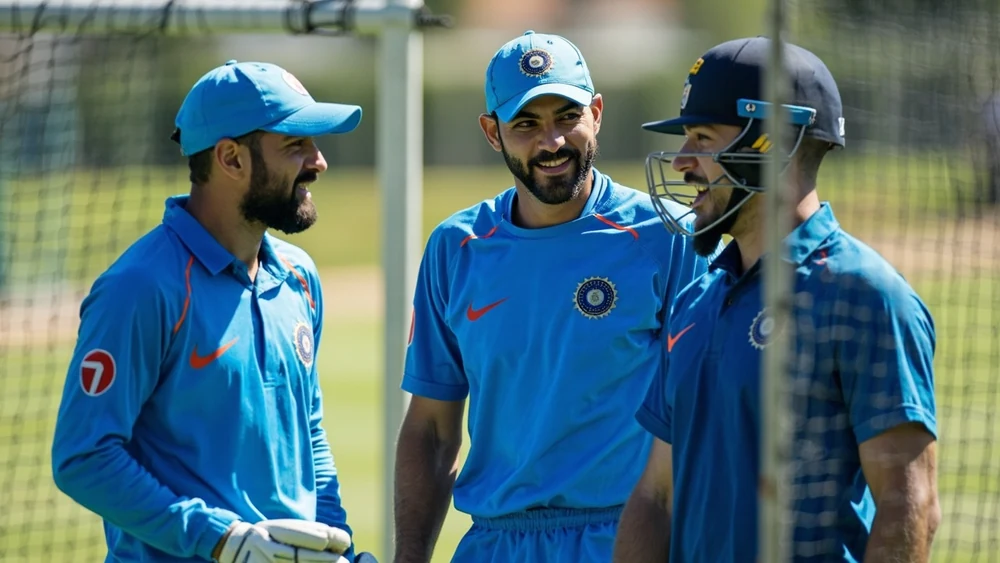
Rohit Sharma, Suryakumar Yadav and Tilak Varma give MI multiple ways to control an innings. The fantasy question is not which batter has the biggest career reputation; it is how the order distributes opportunity in a particular matchup. An opener has the earliest access to the powerplay. A high-impact middle-order batter may receive fewer balls but face a field and bowling plan shaped by the start. A left-handed batter can be moved to disrupt matchups, which means the card is not always rigid.
Build projections in ranges rather than fixed numbers. Start with likely position, then adjust for first-innings or chase context, opponent bowling strengths, boundary dimensions and early-wicket risk. A batter who is projected for substantial ball volume can remain useful even without a perfect matchup. A lower-order hitter may need a specific game state, so ownership should not be confused with opportunity.
Wicketkeeping can create a second route to points, but only after the keeper and batting slot are confirmed. Ryan Rickelton and Robin Minz are listed as wicketkeepers on the official squad page. Do not assume both play or that the listed role automatically means match-day gloves. Confirm the XI, keeping duties and position after the toss.
3. Powerplay and death overs define the pace ceiling

Jasprit Bumrah, Trent Boult and Deepak Chahar represent different fast-bowling questions. A new-ball bowler can exploit swing, seam and aggressive powerplay batting. A death specialist operates when batters attack, creating both wicket upside and economy risk. The highest fantasy ceiling often belongs to a bowler whose allocation spans more than one high-event phase, but a name alone does not prove the allocation.
Track overs by phase in the two most recent comparable matches rather than using a season label forever. Did the bowler take one or two overs inside the first six? Was an over saved for the final four? Did conditions force the captain to use pace earlier? A four-over projection is valuable only when it is supported by availability, workload and game plan.
Bumrah can remain attractive on a batting-friendly pitch because elite wicket threat may survive when economy bonuses do not. Boult or Chahar can gain value when the new ball is expected to move. On slower surfaces, MI may reduce the pace share or use cutters, changing both the ceiling and the risk. The Bettilt11 predictions hub should be used for the venue-specific update rather than forcing one squad-wide rule onto every match.
4. Spin and all-rounder depth decide middle-overs control
Mitchell Santner, AM Ghazanfar, Mayank Markande and the all-rounder group give MI several middle-overs pathways. A left-arm spinner can create control and matchup value; a leg-spinner or mystery-spinner can be used more aggressively for wickets. Which option plays depends on the opposition's handedness, venue, overseas combination and the amount of batting depth MI wants.
Hardik Pandya's all-round classification matters only when both disciplines are realistically available. The same principle applies to Will Jacks, Naman Dhir, Shardul Thakur and other multi-skill options. Before assigning premium value, ask whether the player is expected to bat in a meaningful position, bowl a defined share, or both. “Can bowl” is weaker evidence than “has a repeatable overs role.”
| Role signal | Positive evidence | Risk flag |
|---|---|---|
| Genuine all-round role | Top-seven batting plus repeatable overs | Bowling only when a matchup appears |
| Attack spinner | Used against vulnerable handedness | Dew or short boundary reduces control |
| Control spinner | Stable middle-over allocation | Low wicket access under scoring rules |
| Seam-bowling depth | New-ball or death assignment | Impact substitute used only in one innings |
5. Overseas combinations create the real selection puzzle
The overseas limit makes every combination a trade-off. Selecting Ryan Rickelton can affect wicketkeeping and the top order. Trent Boult changes the new-ball attack. Mitchell Santner or AM Ghazanfar changes spin balance. Will Jacks or Sherfane Rutherford changes batting shape. Corbin Bosch can alter seam and all-round depth. The strongest combination is the one that solves the venue and opponent, not simply the four most recognizable overseas names.
Map the four slots by function: top-order access, finishing or all-round coverage, new-ball wickets, and spin or matchup control. If two players solve the same problem, compare what is lost elsewhere. For example, adding another overseas batter can reduce bowling flexibility; adding two overseas bowlers can place more responsibility on the domestic batting group.
This is why early “probable XI” graphics age quickly. A correct squad article should present scenarios and wait for stronger evidence. If MI choose a wicketkeeper-opener, a pace-heavy attack and a spin all-rounder, the domestic slots must complete the remaining phases. If they choose extra overseas batting, a domestic bowler may gain a clearer role. Treat the combination as a connected system.
6. Impact Player scenarios change opportunity, not just names
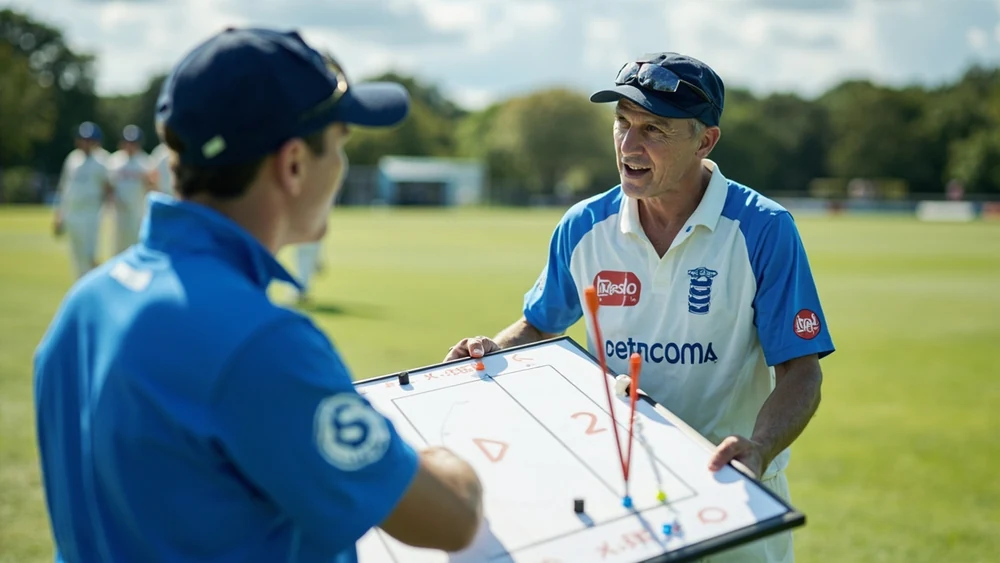
An Impact Player plan can separate batting and bowling specialists across innings, but fantasy platforms may handle participation and scoring differently. A player named among substitutes does not automatically receive match involvement. A batter may enter only if MI bat in a certain pattern; a bowler may be used only when defending. The toss therefore changes the scenario tree.
Divide players into three buckets: confirmed starter with a stable role, confirmed starter whose workload is conditional, and possible substitute whose participation depends on match state. Captaincy should come mostly from the first bucket. Conditional options can be useful in larger contests, but they should not be described as safe simply because a substitution route exists.
Also check whether a player can contribute in both innings under the announced plan. A specialist swapped out after one discipline may have a narrower ceiling than an all-rounder who stays involved. Do not guess the substitution; wait for the official XI and named substitute list, then apply the platform rules.
7. Venue and matchup filters for an MI-heavy contest
At a venue offering new-ball movement, MI's powerplay pace and technically strong top order become the key contest. On a flat ground with short boundaries, batting volume and death-over wicket access rise while economy becomes harder to protect. On a slow surface, spin matchup and batting against pace-off deliveries deserve more weight. Dew can reduce grip and change the value of defending totals.
Use opponent structure too. Count likely right- and left-handed batters, identify weakness against a bowling style, and note which MI bowlers can be protected or targeted. For batters, identify whether the opponent's main threat arrives in the powerplay, middle overs or death. A player's role can be stable while the matchup changes the expected range.
Do not stack Mumbai Indians players merely because the article is about MI. The contest rules, confirmed XI and match script should justify every selection. A balanced build can include an MI top-order anchor, one phase-defined bowler and a conditional differential, while still respecting stronger roles from the opponent.
8. The Bettilt11 MI squad-to-fantasy checklist
- Roster check: confirm the player remains on the official Mumbai Indians list.
- Availability check: review injury, workload and replacement updates from official sources.
- XI check: wait for the announced team; do not count a squad member as a starter.
- Batting check: project position and a realistic range of balls faced.
- Bowling check: assign expected overs by powerplay, middle and death phases.
- Keeping check: confirm who has the gloves and whether that player bats high enough for dual value.
- Impact check: distinguish a confirmed starter from a conditional substitute.
- Venue check: adjust for surface, dimensions, weather and dew after reading the latest report.
- Multiplier check: prioritize stable involvement and multiple scoring routes.
- Limit check: set a budget before entering and never chase losses.
After the match, review the role projection rather than only the result. If the player received the expected balls or overs but did not score well, the process may still have been sound. If a pick succeeded through an unexpected role, do not treat luck as proof that the projection was correct. A short decision log makes future fantasy-cricket planning more disciplined.
Frequently asked questions
Who is listed as the Mumbai Indians captain for this analysis?
Hardik Pandya is the central captaincy and all-rounder reference in the current official Mumbai Indians player list. Readers should still check the franchise match preview and final team sheet because leadership or availability can change.
Which Mumbai Indians players offer the clearest fantasy role signals?
Top-order batters, wicketkeepers with a useful batting position, bowlers assigned to the powerplay or death overs, and genuine all-rounders usually offer the clearest opportunity signals. A famous name is not enough without a confirmed XI and role.
Is Jasprit Bumrah automatically the best MI fantasy captain?
No. Bumrah can have a high wicket ceiling when his overs cover high-event phases, but captaincy also depends on scoring rules, pitch, opponent, workload and alternatives with two routes to points.
How should I use the official MI squad list?
Use it as the eligibility starting point, then narrow it through availability news, overseas-slot combinations, the toss and confirmed XI. The roster is not the same as the eleven players who will score in a match.
Does the Impact Player rule change Mumbai Indians fantasy picks?
It can. A specialist may enter or leave according to the match state, but a possible substitution is not guaranteed participation. Prefer confirmed starters and read the platform scoring rules before relying on an impact scenario.
Where can I verify Mumbai Indians player updates?
Check the official Mumbai Indians players page and the official IPL team or match pages. Recheck near the toss for injuries, replacements and the final XI rather than treating an early squad article as live team news.